A Hero Born in a Cracking City
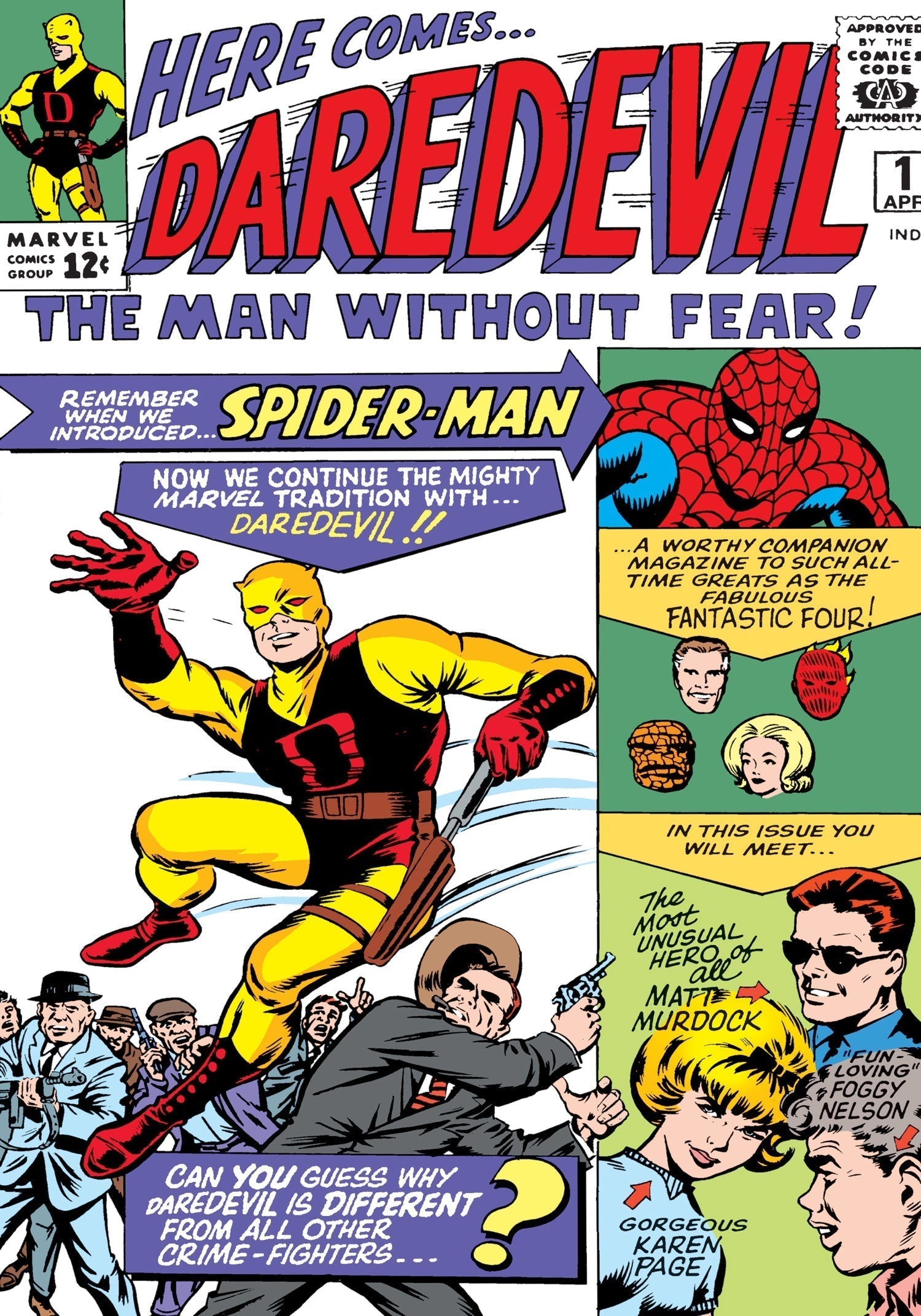
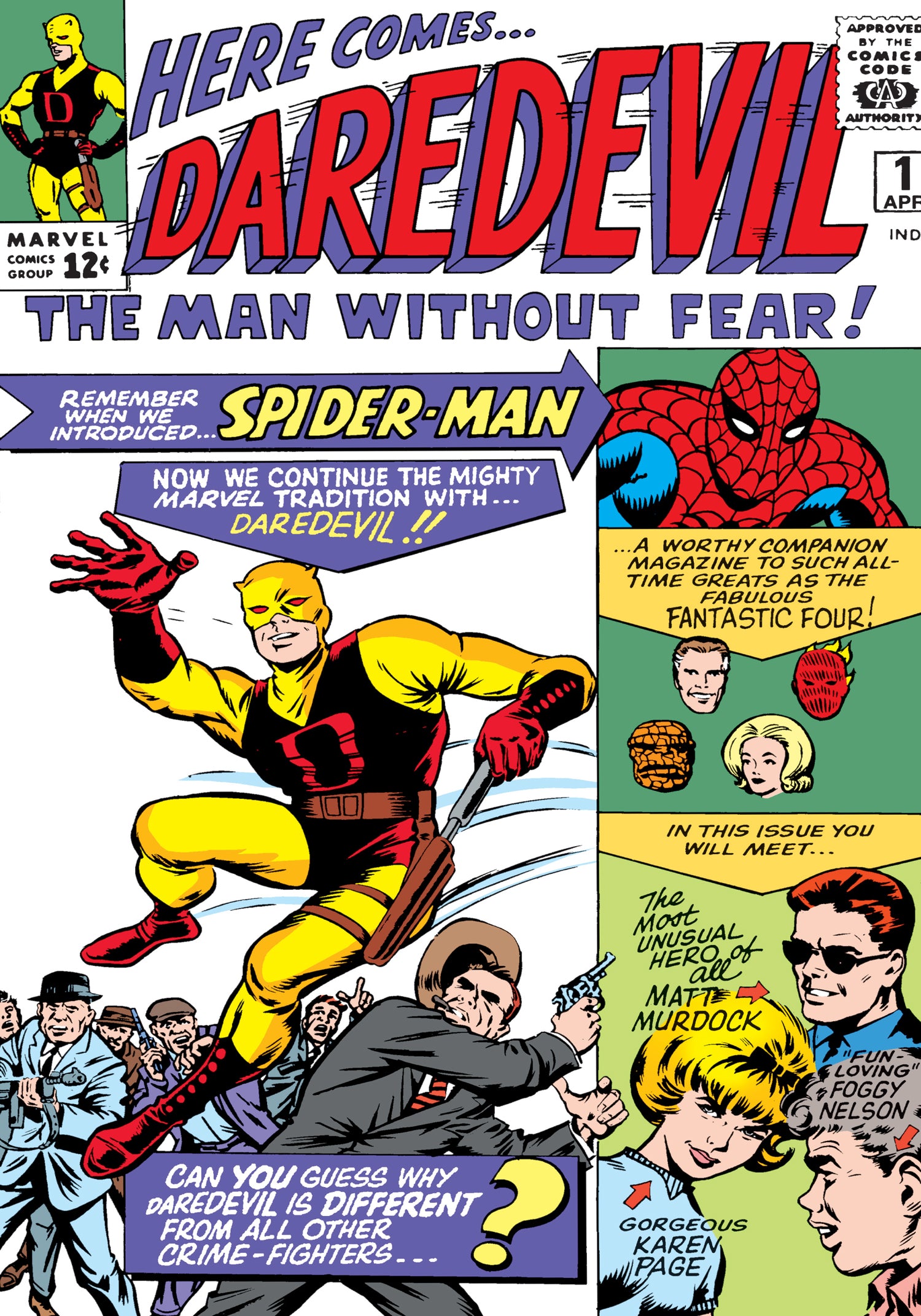
When Daredevil first appeared in 1964, American culture was beginning to lose its sense of clean certainty. The postwar belief that institutions could reliably deliver order and fairness was starting to erode. Cities were changing. Crime felt closer, more personal. The idea that the system would take care of things no longer held the same weight.
Marvel responded by bringing heroes down to earth. Daredevil was not distant or symbolic in the traditional sense. He was a blind lawyer from Hell’s Kitchen, a neighborhood where problems were not abstract. They were immediate and lived.
His origin reflects that grounded reality. A child trying to do the right thing is struck by a freak accident that takes his sight but heightens his other senses. It is not a grand myth. It is a small moment that changes everything.
As the character evolved, particularly under Frank Miller in the 1980s, Daredevil became more tightly bound to the feeling of the city itself. These stories did not present crime as something distant or easily solved. They showed a world where power, money, and violence often moved faster than justice.
Matt Murdock’s response to that world is what makes him distinct. He does not abandon the system. He becomes a lawyer. He participates in it fully, arguing cases, defending clients, trying to work within its rules.
But he also steps outside it.
At night, he becomes Daredevil, acting in ways the system cannot permit but sometimes seems to require. This is not a clean transformation from one identity to another. It is a constant negotiation between two incomplete approaches to the same problem.
That tension felt honest then, and it feels even more familiar now. Not because the system has completely failed, but because belief in it has become more complicated. Daredevil exists in that complication. He is not a symbol of faith or rejection. He is what it looks like to remain engaged when neither option feels sufficient.
Living Inside the Contradiction
Daredevil’s power is not just heightened senses or physical skill. It is his willingness to live without a clean answer.
Matt Murdock believes in justice. He has built his life around it. He studies the law, practices it, and defends it. But his experience shows him its limits again and again. Cases are lost. Criminals walk free. Harm continues.
He does not resolve this tension. He carries it.
During the day, he operates within a system that requires patience, procedure, and restraint. At night, he moves through the same city with urgency and force, acting on a version of justice that cannot be easily justified in the light.
Neither side cancels the other out. In fact, they make each other harder to live with.
He knows what violence costs.
He knows what inaction costs.
He does both anyway.
That is what makes him different from most heroes. He does not find clarity through his struggle. He remains in it.
His blindness deepens this pattern. He cannot rely on the sense most people trust to orient themselves. Instead, he navigates through attention, instinct, and constant adjustment. He is always interpreting, never fully certain, always moving forward anyway.
There is nothing triumphant about this. It is not clean or inspiring in a simple way. It is closer to the experience of trying to do the right thing when the path is not clearly marked.
Daredevil does not represent victory over that uncertainty. He represents the decision to keep participating in it.
Bundle and Save
Get to know Daredevil with 20% off when you bundle 3 or more of the following issues
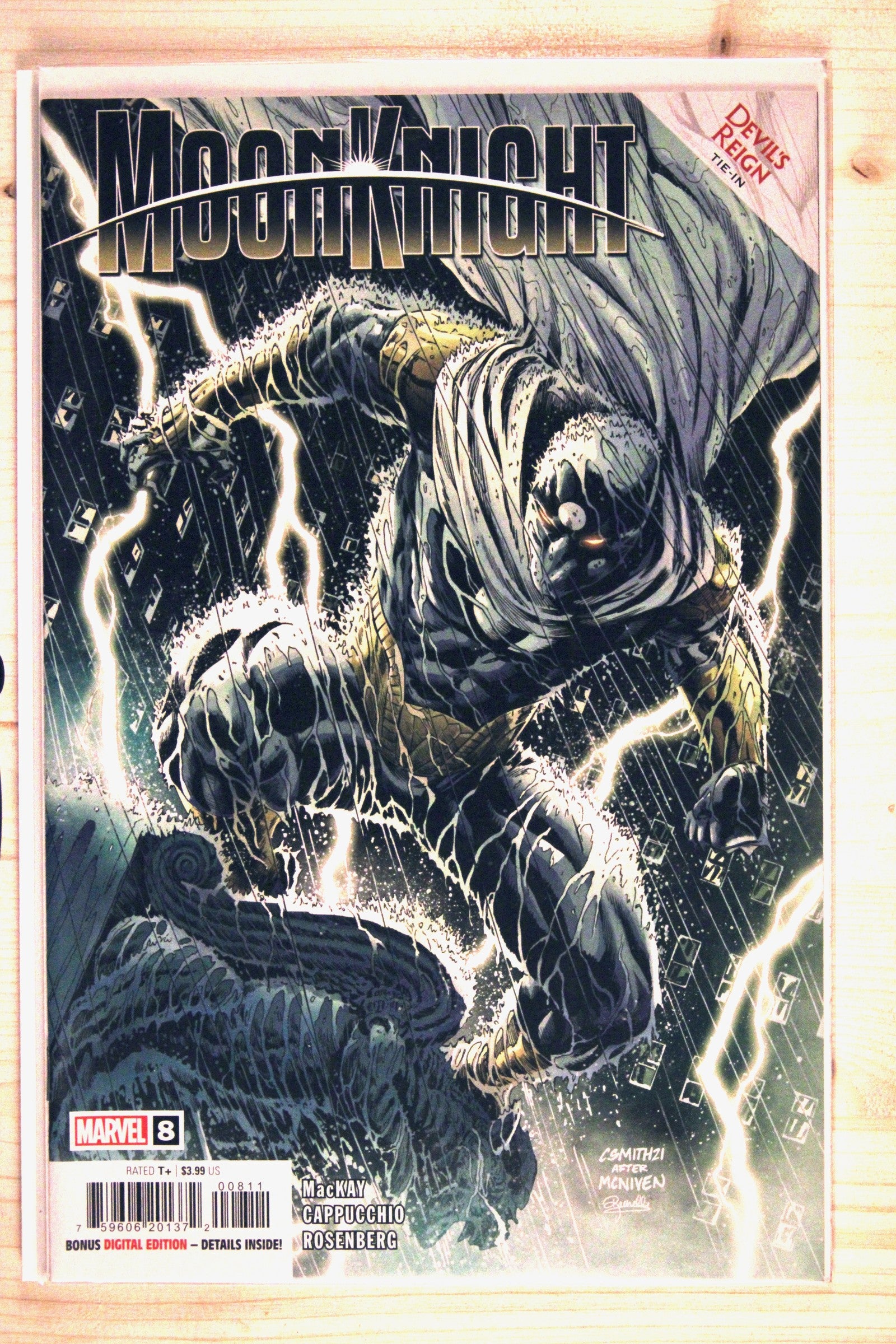
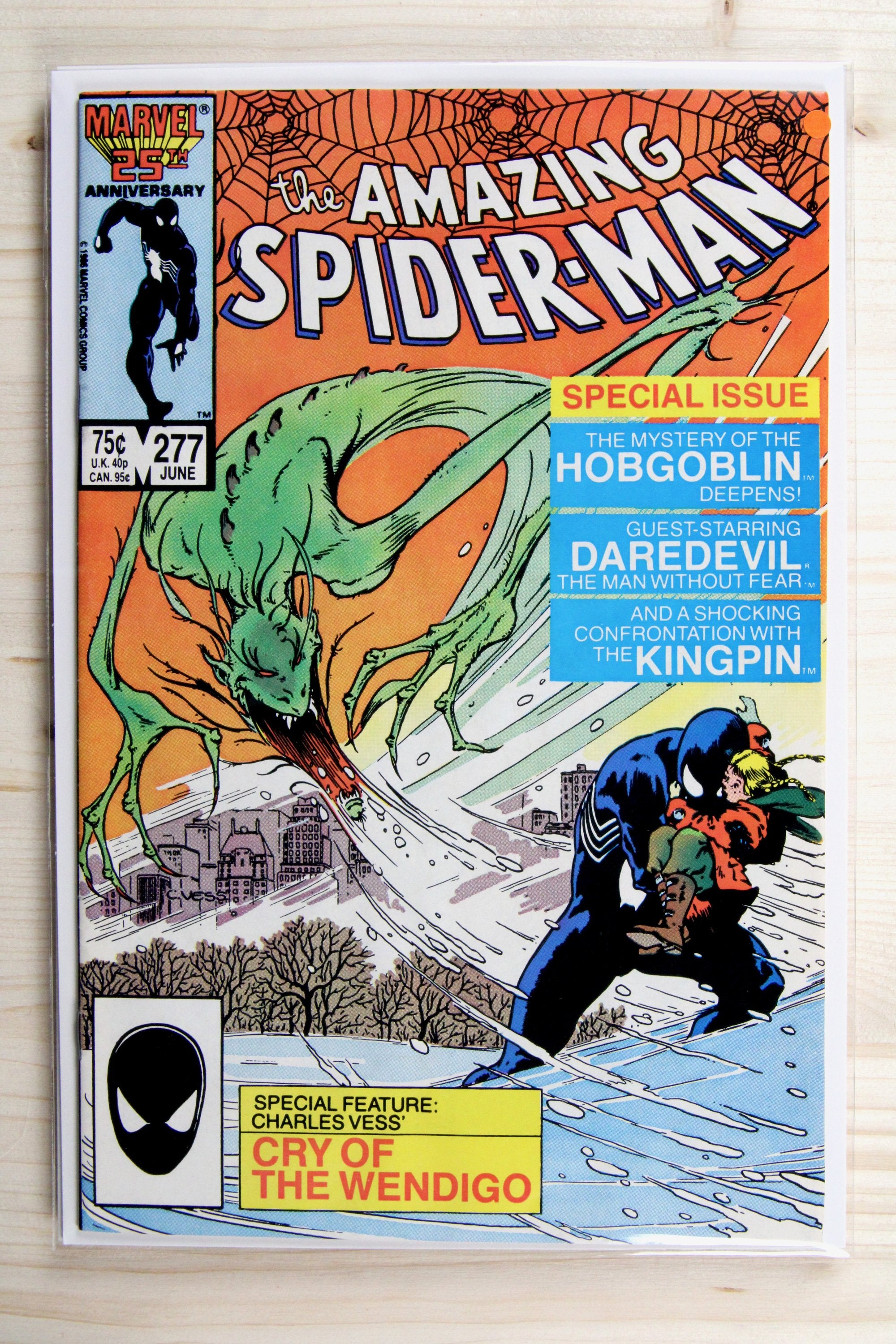

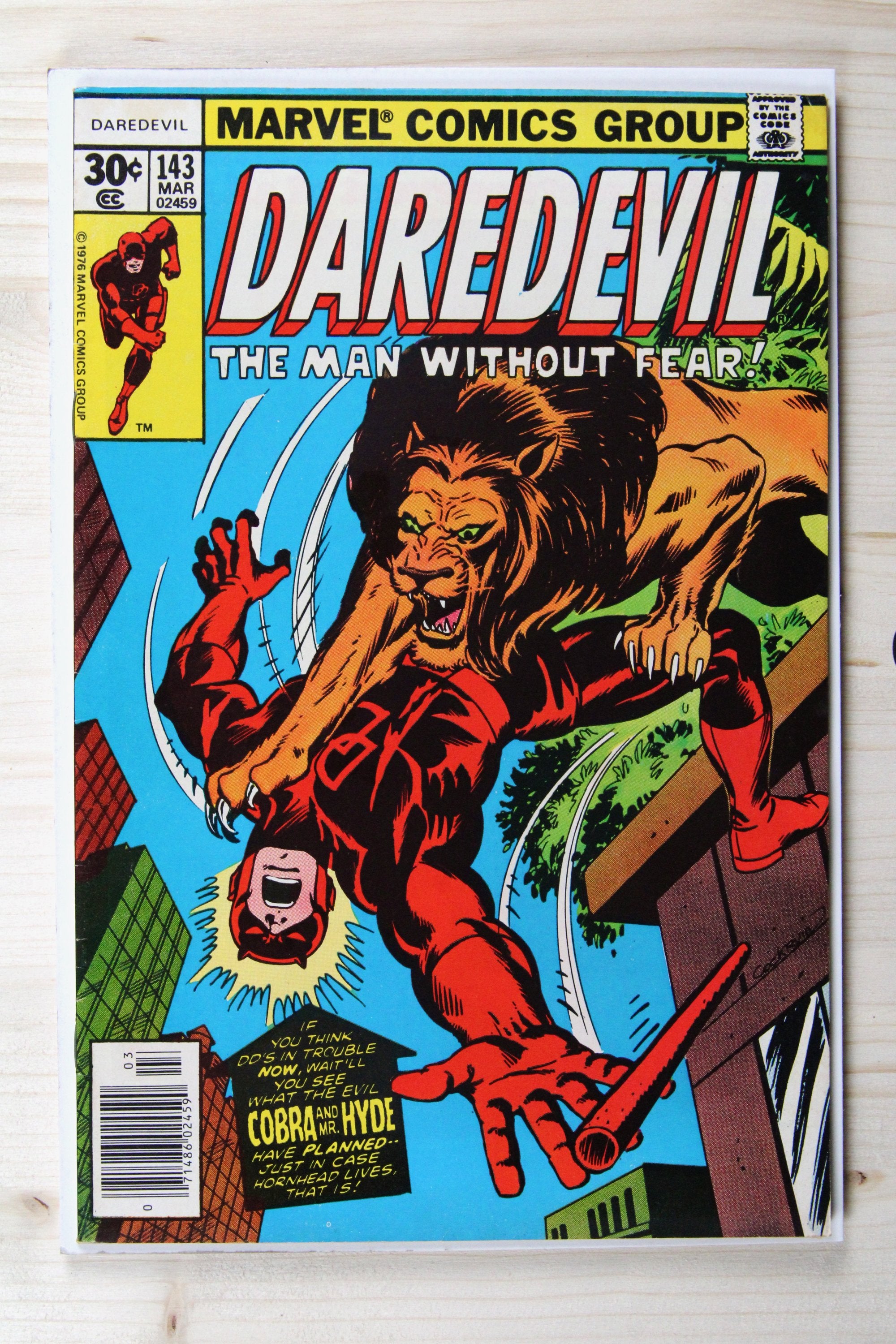
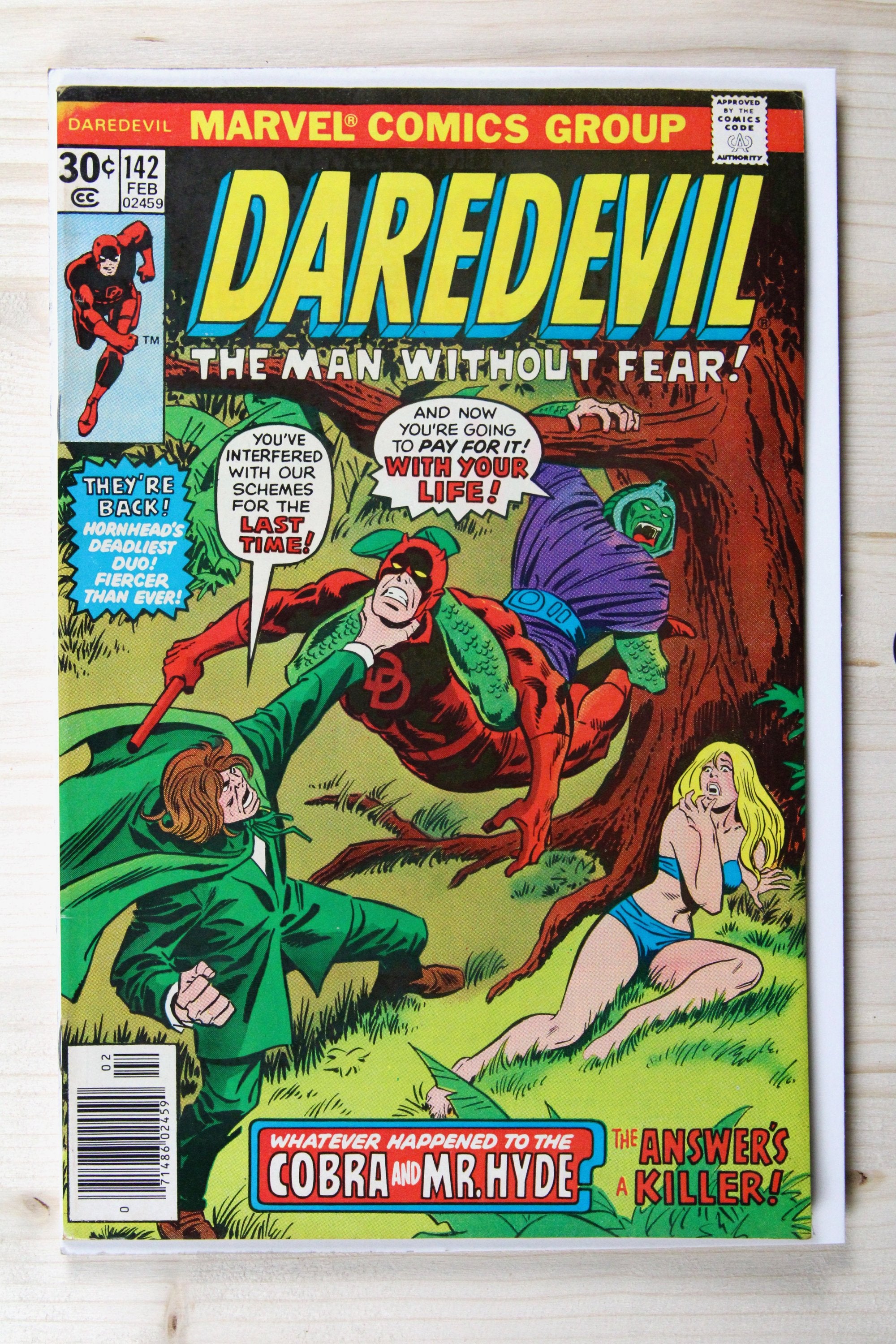
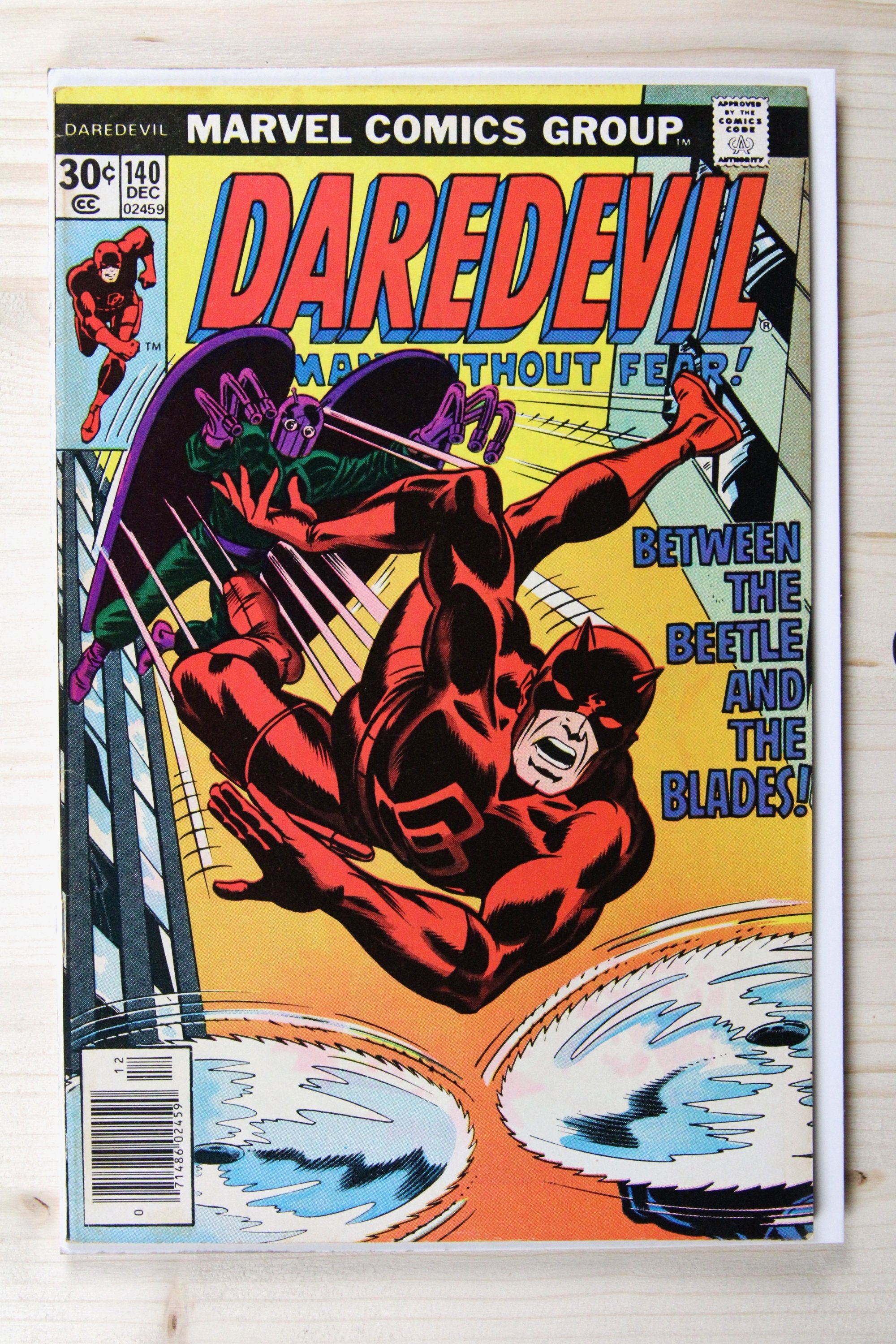
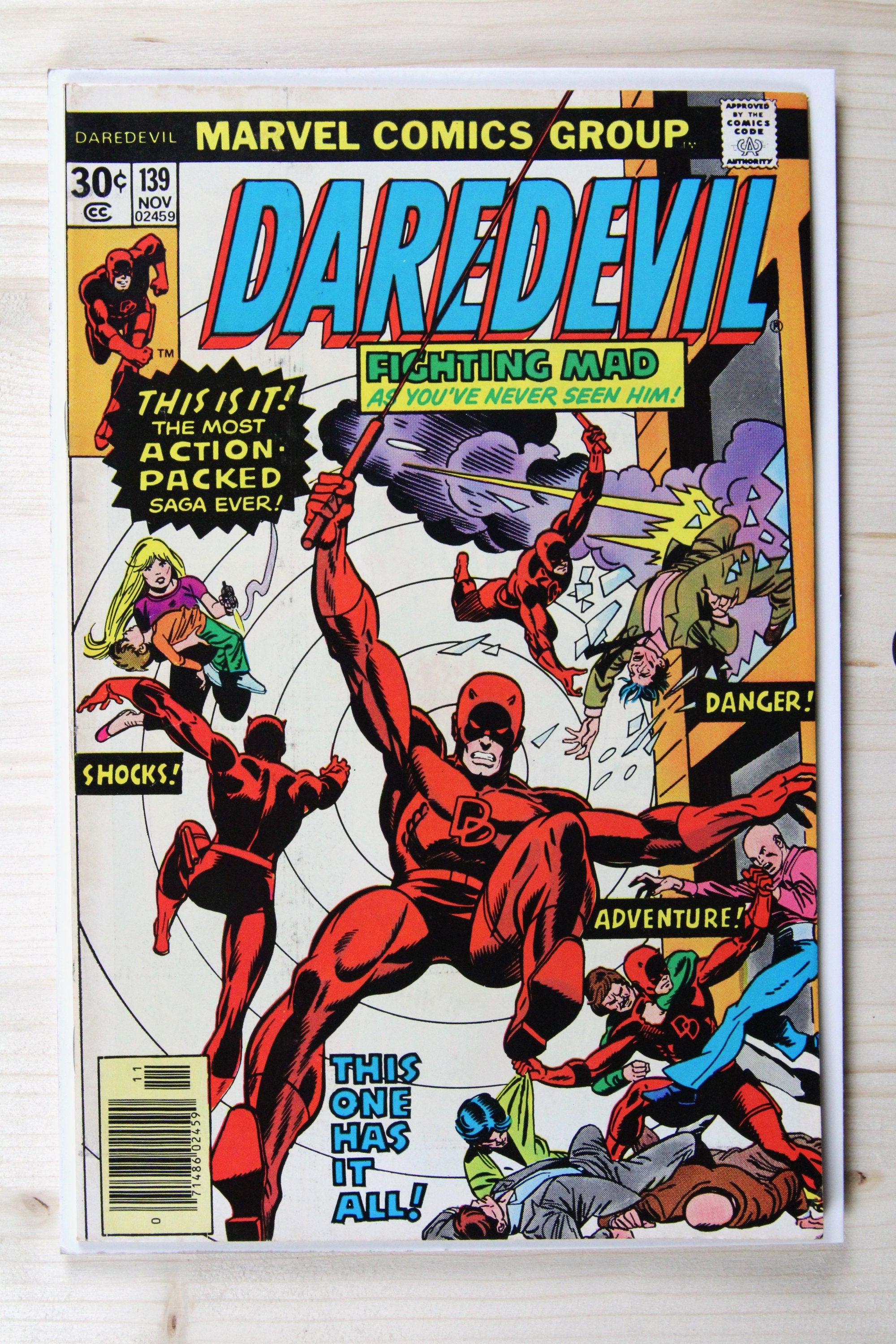
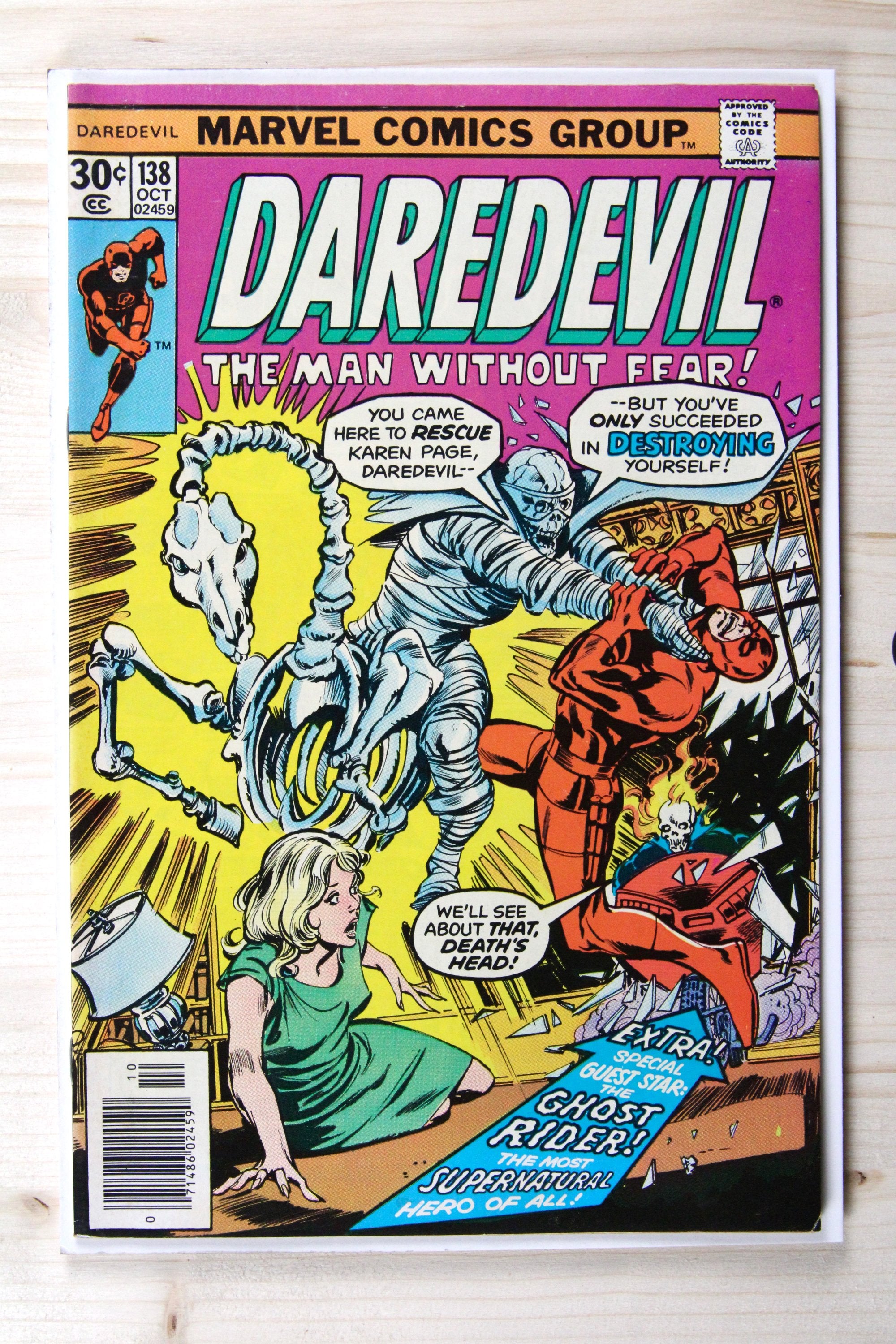
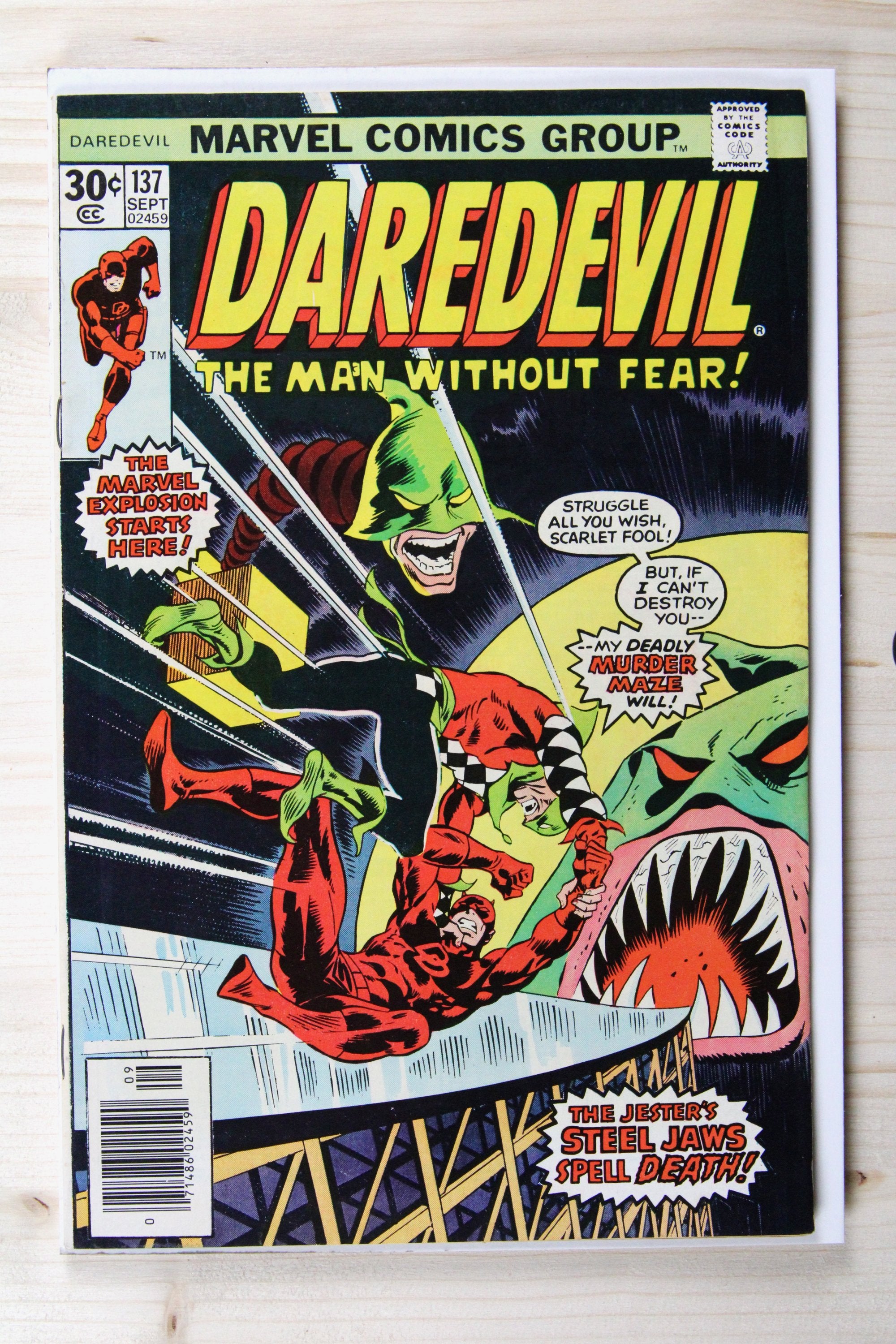
20% off when you bundle 3 or more