The Shadow
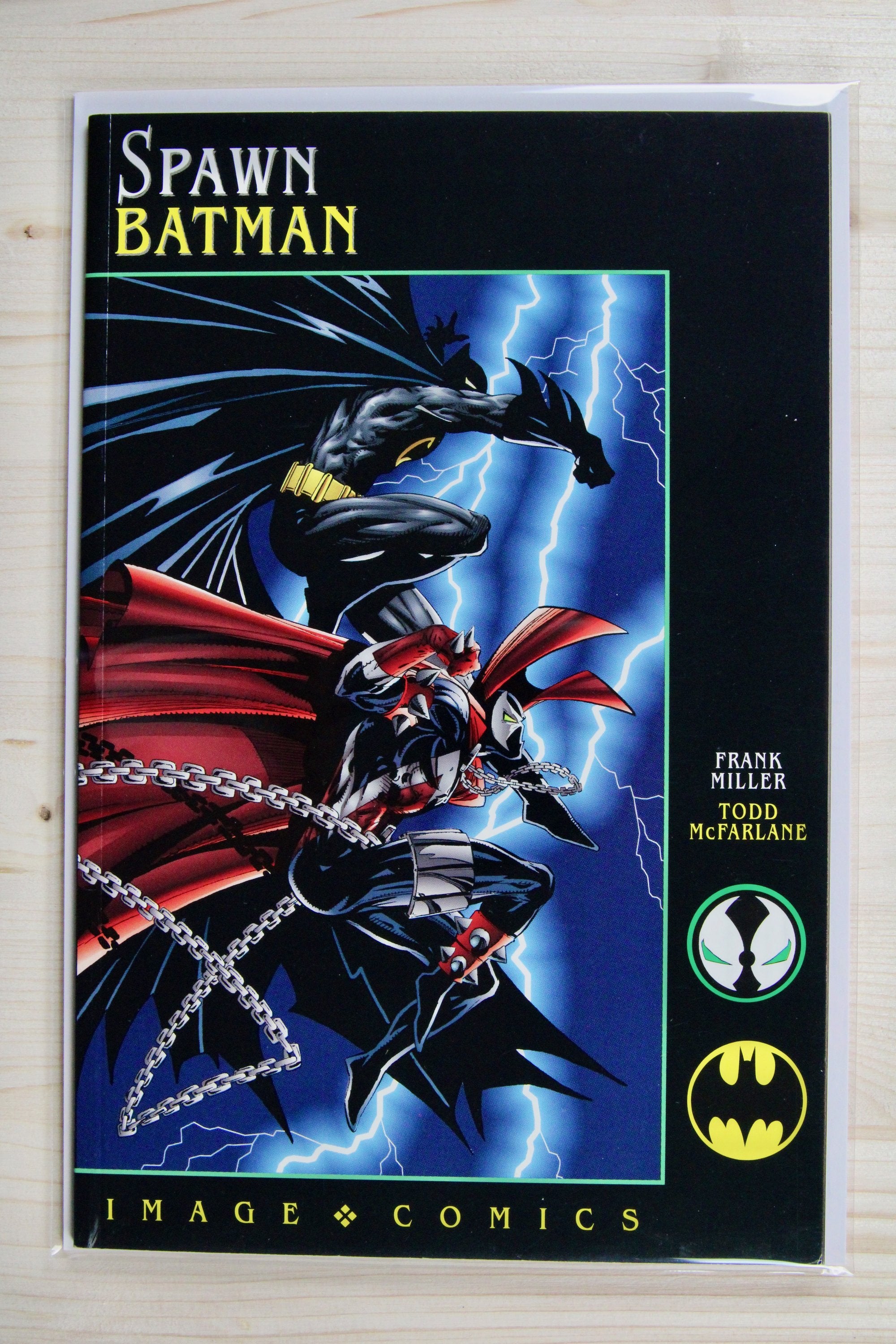
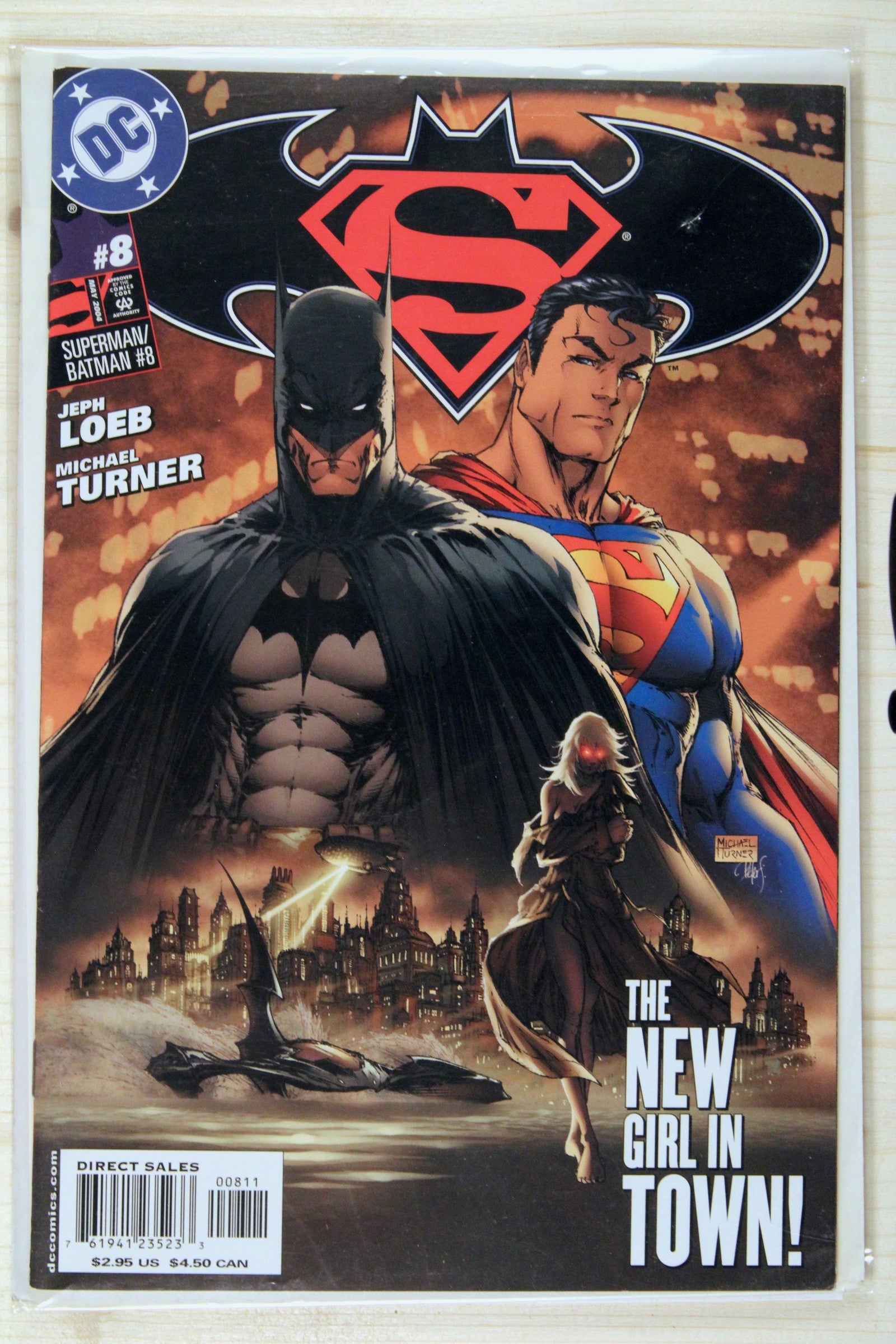
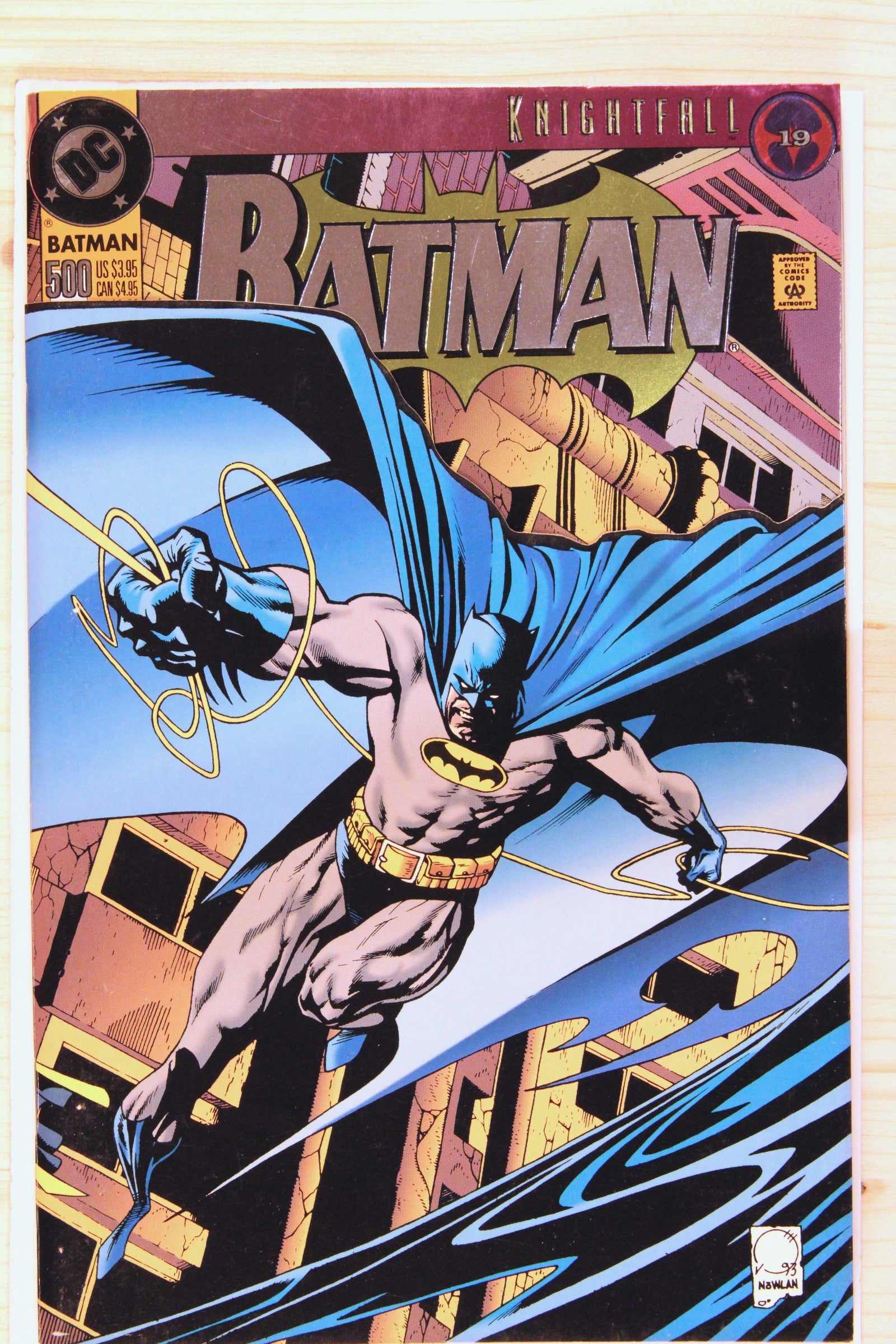
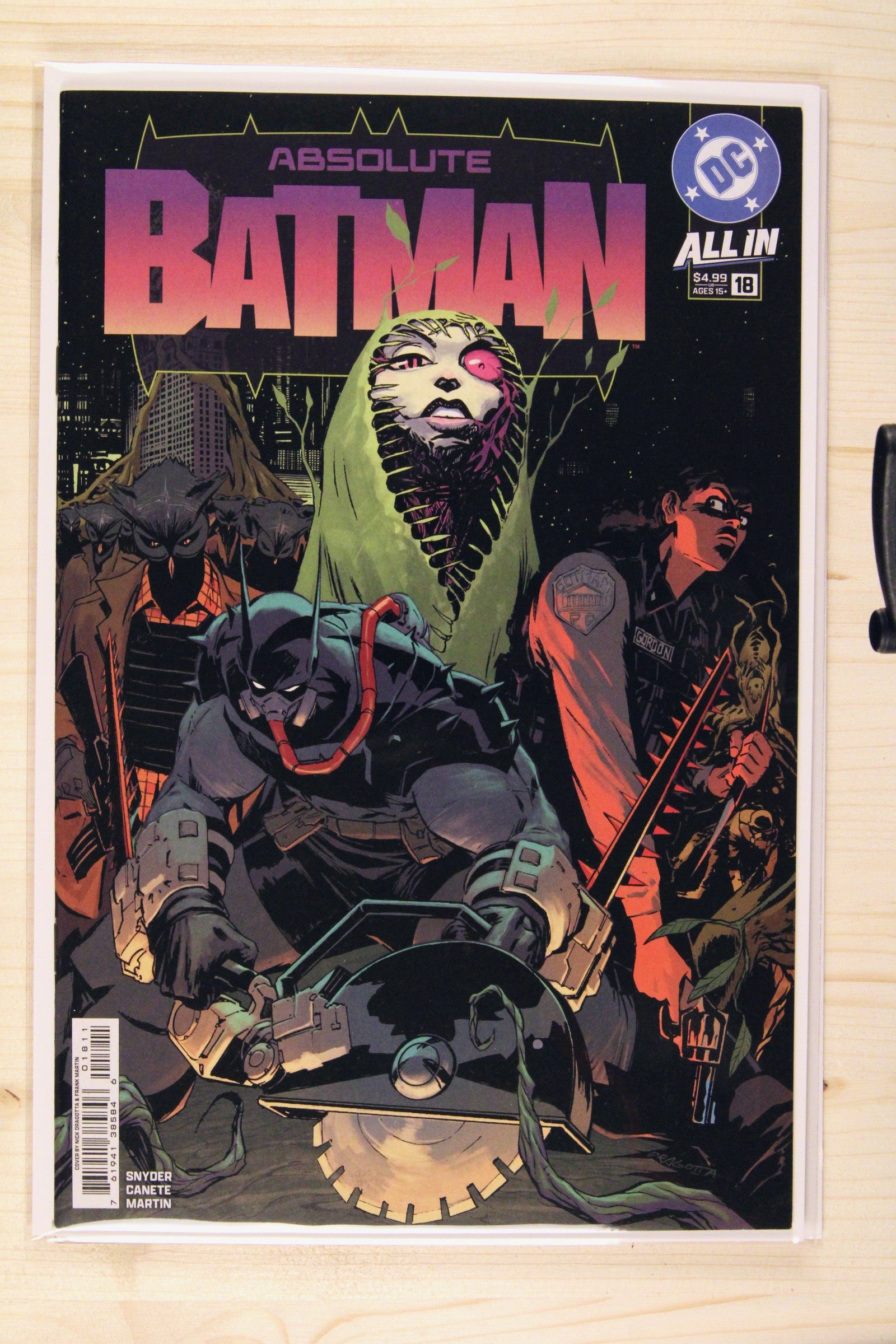
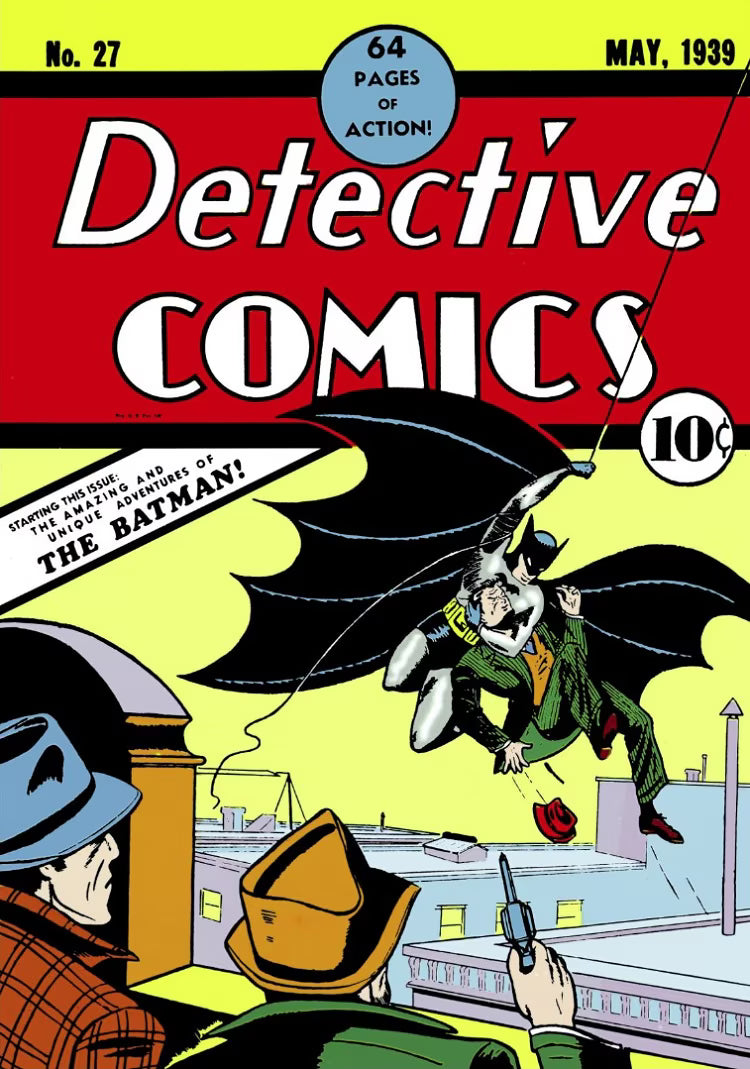
Carl Jung described the Shadow as the rejected, disowned, or feared aspects of the self — energies that, if left unconscious, erupt destructively. Batman does not repress his Shadow. He studies it. Trains it. Wears it.
Bruce Wayne’s transformation is not about eliminating fear, rage, or aggression. It is about giving them form and direction. The bat is not a symbol of hope; it is a symbol of terror — deliberately chosen to mirror the fear that once paralyzed him. This is Shadow integration taken to its extreme: not moral purification, but ethical containment.
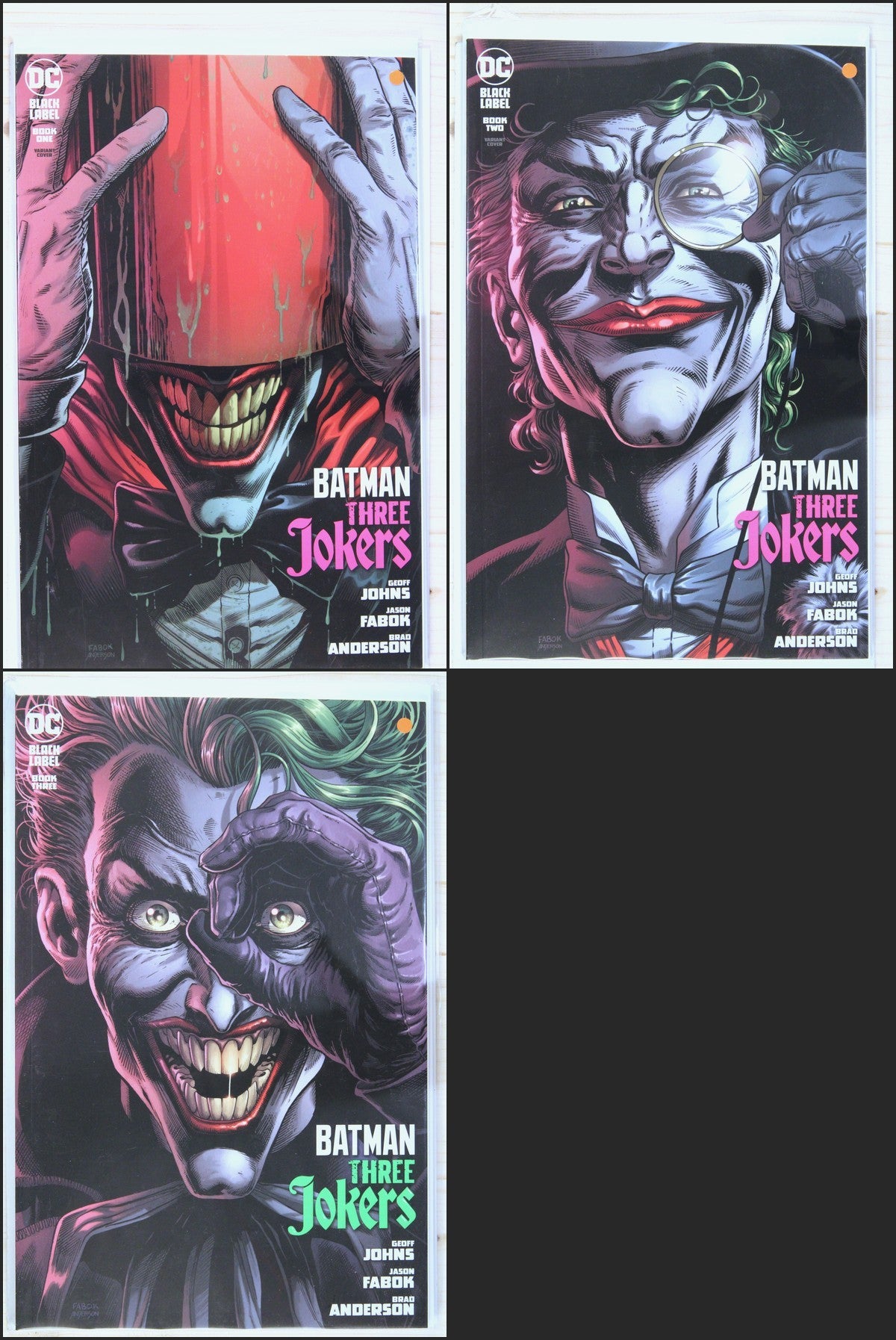
Batman’s villains make this explicit. The Joker externalizes chaos without conscience. Two-Face dramatizes psychic splitting. Scarecrow weaponizes fear itself. Each antagonist represents a Shadow fragment Batman must continually face — not to defeat once and for all, but to keep in check.
Gotham, in this sense, is not merely a city. It is a psyche.

The Hero’s Descent
Joseph Campbell framed myth as a cyclical journey: departure, initiation, return. Batman’s myth resists closure. He never completes the cycle. There is no final return with the elixir. Gotham never stays saved.
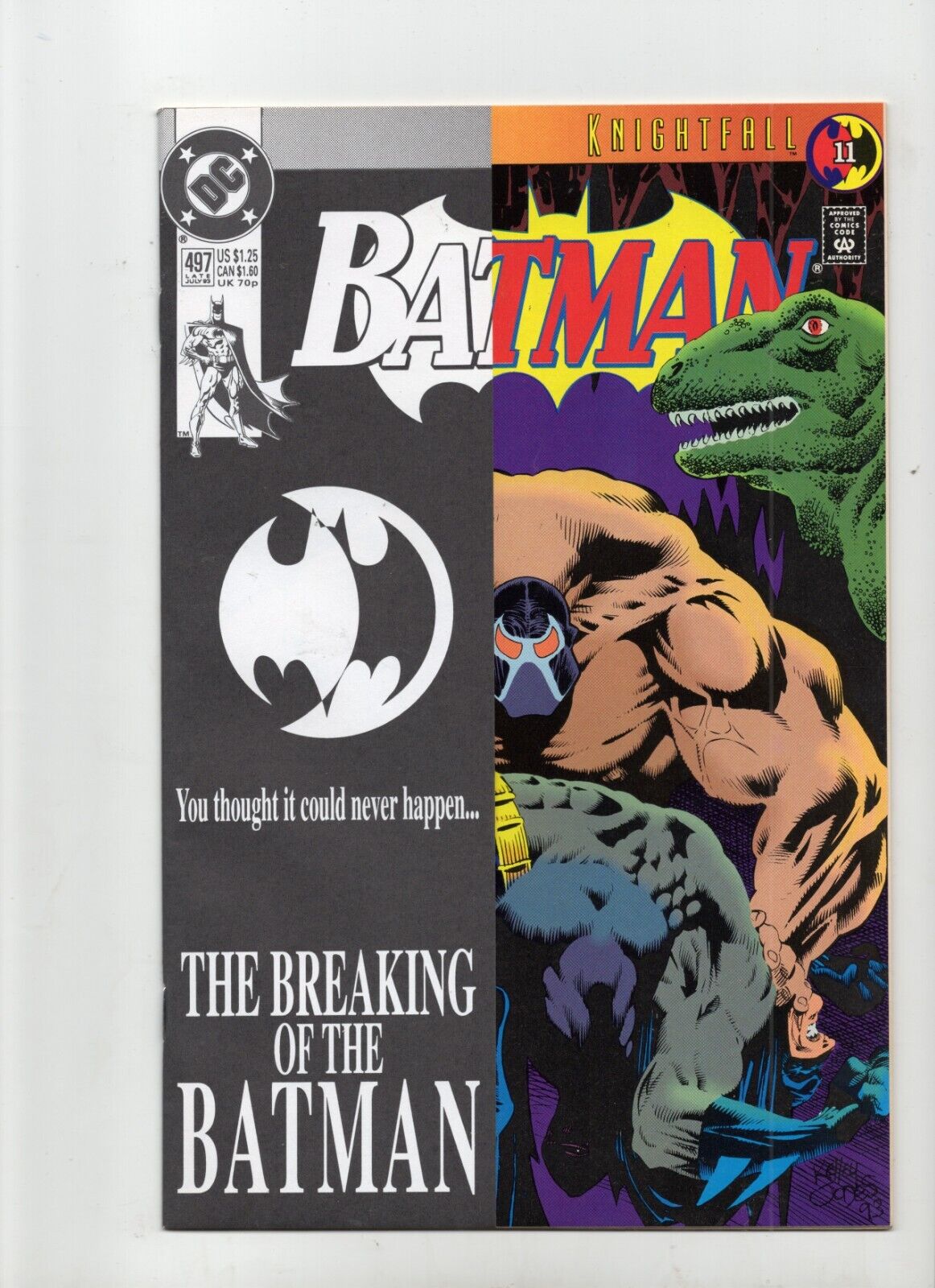
Bruce’s departure is absolute — the death of his parents fractures the ordinary world beyond repair. His initiation is not a single trial but a lifelong ordeal of discipline, study, and renunciation. And his “return” is nightly, incomplete, and endlessly deferred.
This refusal of mythic completion is precisely what modern audiences recognize as truthful. Batman is not a fairy tale hero. He is a vigil — sustained awareness in a world that does not heal neatly.


The Mask and the Hollow Center
Byung-Chul Han writes about the exhaustion of modern subjects — the burnout that arises when identity becomes a performance optimized for control and productivity. Bruce Wayne is perhaps the most extreme example of this split.
Publicly, Bruce performs the hollow excess of the billionaire playboy. Privately, Batman enforces rigid discipline bordering on asceticism. Neither identity is whole. The true self exists only in the tension between them — in what is withheld.
Batman does not speak much. He does not explain himself. In Han’s terms, he preserves negativity — silence, resistance, opacity — in a world that demands transparency and constant expression. Batman’s power lies not in what he shows, but in what he refuses to give.